
I write a lot about the activities people play bookof.eu.com. In that work, I’ve learned that awareness is always better than not knowing. This article is for educators, youth workers, guardians, and adolescents in the UK who wish to make sense of games like Book of Gold Slot. We’ll examine how it works, its motifs, and the larger picture of entertainment that use gambling mechanics. The purpose is explanation, not censure.
Exploring the Game: What is Book of Gold Slot?
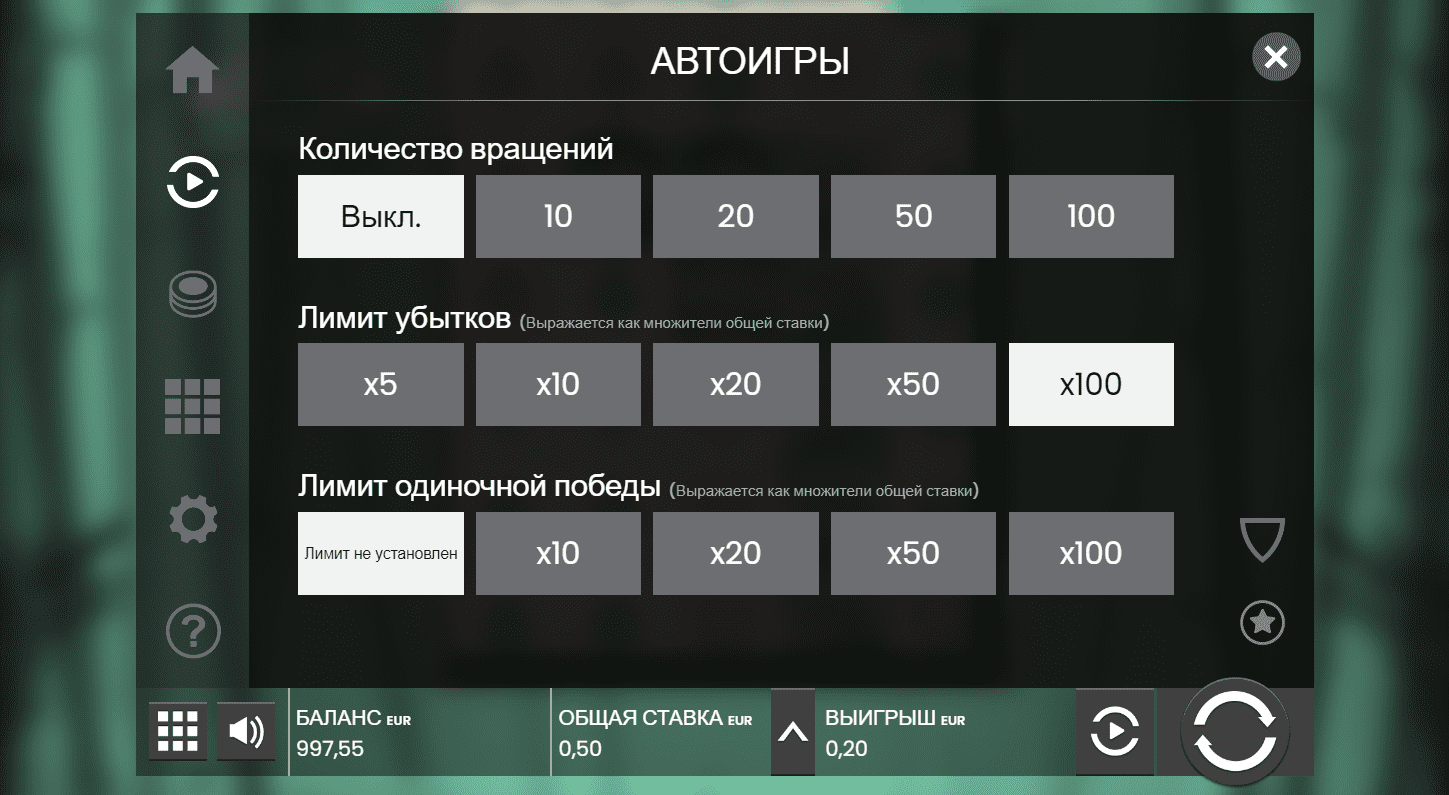
Book of Gold Slot is an online casino game you’ll come across on many UK gambling sites. It employs an ancient Egyptian treasure hunt as its concept. Players bet virtual money on digital reels that spin, hoping symbols align to generate wins. The game’s logo, a Book symbol, carries out two roles. It can replace for others to make wins, and landing three of them triggers a bonus round where one symbol can stretch to fill whole reels.
This is a game of pure chance. Skill doesn’t enter into it. A piece of software called a Random Number Generator (RNG) decides every single result. Each spin is its own separate event, totally unrelated from the last. For adults, it can be engaging. Its layout, however, employs anticipation and random rewards in a way that’s useful for young people to spot in other digital products.
To understand why it’s attractive, consider its appearance. The screen becomes filled with gold artefacts, hieroglyphs, and pyramids. It draws from a popular adventure story. Sounds are just as significant. Music swells as the reels turn, and a bright jingle marks any win. These components work to pull you into the gameplay, making it appear exciting even when you’re just testing a free version.
The game works on a very quick, fast pattern. You click a button. The reels rotate for a few seconds. A outcome appears. This pace is no coincidence. By eliminating any waiting, it makes it easy to play again immediately after a win or a loss. You notice this cycle in lots of apps, but in this example it’s tied directly to the systems of betting.
The significance of Media Literacy for Youth
Media literacy means being able to understand the subtext. It’s about considering who produced a piece of media, why they created it, and what techniques they’re using. For young people in the UK, who navigate in a sea of digital content every day, this skill isn’t optional. It allows them enjoy entertainment with their eyes open, seeing the design choices instead of just responding to them.
Take a game like Book of Gold Slot. Media literacy encourages useful questions. Why pick a theme about lost treasure? How do the sounds generate excitement? What are the real odds of winning? Building this critical habit assists young people form informed decisions about all the digital content they come across, from social media feeds to shopping apps, not just casino games.
Developing this skill is about transitioning from being a passive consumer to an active investigator. It means looking at a product and wondering what its creators get from your time and attention. A free slot game demo, for example, might be designed to make you comfortable with the rules. That familiarity could make moving to real-money play seem like a smaller step later on. Recognizing this potential pathway is a core part of media literacy.
We can practice this skill by analyzing adverts for these games. Do they show huge jackpots while the terms and conditions are in tiny text? Do they showcase popular influencers who resonate with a younger crowd? Deconstructing these tactics builds a kind of resistance. It helps young people recognize the persuasive design that’s trying to affect their behaviour, a skill that works just as well on TikTok or a shopping website.
Identifying Gambling Themes in Broader Pop Culture
The style of gambling has moved beyond the casino. You encounter it in mainstream video games through ‘loot boxes’, in mobile apps with ‘reward wheels’, and on Saturday night TV game shows. Blinking lights, thrilling sounds, and chance-based prizes are now common parts of digital culture. A young person in the UK will come across them all the time.
A clear example like Book of Gold Slot provides us a way to take these elements apart. Understanding to spot them in one place develops a defensive skill. Later, when that same young person finds a ‘spin for a prize’ mechanic in a totally different app, they can name it. They can understand it’s a gambling-inspired design pattern, designed to keep them playing or spending.
Look at some specific cases. Numerous mobile games offer a daily ‘free spin’ on a wheel to win coins or items. Social casino apps, marketed heavily online, replicate slot machines exactly but use pretend money. Some popular sports video games sell card packs with real cash; these packs grant you random players, working just like a scratchcard.
They all share a psychological trick called a ‘variable ratio reward schedule’. It’s the same concept that runs slot machines. You obtain a reward at unpredictable times. This is incredibly effective at keeping someone engaged. Knowing this principle is present in your favourite football game or a casual puzzle app shifts things. You can choose to engage with it mindfully, instead of being drawn unconsciously into repetitive play or spending.
Core Mathematical Concepts: Odds and Randomness
Beneath the gold and glitter, any slot game is a lesson in probability. The odds, however, are never in your favour. Demonstrating the maths behind these games strips away the mystery. The most important idea is that each spin is random and independent. What happened on the last spin has no bearing on the next one. Assuming otherwise is known as the ‘gambler’s fallacy’.
You’ll come across the term ‘Return to Player’ or RTP. This is a theoretical percentage. It represents all the money wagered on a slot that will be paid back to players over an enormous amount of time. An RTP of 96% means the game keeps a 4% ‘house edge’ in the long run. This built-in mathematical disadvantage is a cold, hard fact that young people should know.
But RTP can be misunderstood. It does not promise you’ll get 96% of your stake back in an afternoon. Over millions of spins, the average might move toward that number. Any single player can have results that swing wildly away from it. This is why short ‘winning streaks’ can and do happen. They are part of random variance, not evidence that the machine is ‘ready to pay’.
Another useful idea is ‘hit frequency’. This shows you how often a slot awards any win at all, even one smaller than your original bet. A high hit frequency creates a sense of active and lively, with lots of little rewards. The larger RTP, however, is often locked away in much rarer, big jackpots. This design can produce a false sense of regular success, which conceals the fact you are losing over time.
- Random Number Generator (RNG): Software that ensures every result is random and unpredictable. It runs through thousands of numbers every second, even when the game is sitting idle.
- Independence of Events: Every spin has the exact same odds as the one before it. Machines do not get ‘hot’ or ‘cold’. Thinking they do is the gambler’s fallacy.
- Return to Player (RTP): A long-term statistical average. It is calculated over millions of spins. It is not a promise to any individual player in a single session.
- House Edge: The mathematical advantage the game holds. This guarantees the operator makes a profit over time. It is the flip side of the RTP. For a 96% RTP, the house edge is 4%.
- Hit Frequency: How often a game awards any winning combination. Designers use a high frequency to generate a feeling of frequent, even if tiny, rewards.
Age Requirements and UK Gambling Law
In the United Kingdom, gambling is regulated by the Gambling Commission. The law is explicit: you must be 18 or over to gamble with real money. This covers playing online slots like Book of Gold Slot for cash. This age limit is a major safeguard, built on research about how adolescent brains mature and their sensitivity to risk.
UK rules also stipulate that games are fair. Their RNGs must be examined and certified. Operators have to run proper age verification checks. Advertising undergoes tight controls. Knowing these laws helps young people to view gambling as a legally restricted activity with serious potential for harm, which clarifies why there’s an age gate in the first place.
The law works by putting up strong barriers. Before you can deposit a single pound, a licensed operator has to verify your age and identity. They might check the electoral roll or ask for a driving licence. This is the law, not a polite request. These checks are intended to stop under-18s at the very point where real money is involved.
The regulations also restrict adverts. Ads must not be designed to appeal strongly to under-18s. They must not imply gambling solves money troubles. They must always show the ‘BeGambleAware.org’ message. When you know these rules, you can look at an ad during a football match or on a website with a more critical eye. You comprehend the legal box it has to fit inside.
Identifying Hidden Risks and Unhealthy Patterns
Any educational resource needs to talk honestly about risks. Slot games are built on rapid cycles and can contain ‘near-miss’ mechanics. For some people, this can be deeply absorbing. It can promote unhealthy habits, even in free demo modes, because it makes constant betting feel normal.
We need to discuss warning signs. These can emerge with any obsessive gaming behaviour. They involve playing for longer than you meant to, thinking about the game when you’re not playing, or using it to flee from stress or low moods. Recognizing these patterns early, in yourself or a friend, is a crucial skill. UK charities like GamCare and YGAM focus on teaching this.
Let’s look closer at the ‘near-miss’. This is when the symbols land to show a win that’s just one position off, like two jackpot symbols with the third sitting right above the line. Your brain responds to this near-win in a similar way to an actual win. It releases dopamine, a chemical connected to pleasure and motivation. This encourages you to carry on playing. It’s a clever design trick that makes losing feel like you were achingly close.
Another risk involves the value of money. In a demo, you use ‘virtual credits’ that refill endlessly. This can cloud your sense of what money is worth and what a spin actually costs. If someone later switches to real money, the habit of clicking for a potential reward is already there. But now the consequences are financial. That switch is a key moment of risk.
Safe Play and Staying Balanced
Mindful gambling is a helpful idea for all online activities. It’s about staying aware. For anyone under 18 in the UK, safe participation means knowing that demo games are just for learning. It means never using real money, and being strict about how much time you spend on them.
A well-rounded digital diet matters. This means balancing your free time with other activities: hobbies, sports, seeing friends in person. Asking yourself simple questions can help. “What am I actually getting out of this?” or “How do I feel when I stop playing?” These are effective tools for self-regulation. They help build a healthier relationship with all screen-based entertainment.
Practical steps are effective. Set a timer before you open a demo. Actively examine the game’s design while you play. Notice how the sounds change, or how often small wins occur. This turns a passive activity into an active learning session. It develops the mental habit of engaging critically.
Open conversation is the key, crucial piece. Parents and educators can create a space where it’s okay to talk about these games, what makes them fun, and how they work. Eliminating the taboo allows for guided critical thinking. If we treat it like reviewing a film’s special effects or a website’s layout, we give young people knowledge. We don’t leave them to figure out these persuasive designs by themselves.
Common Questions
Is it permissible for a 16-year-old in the UK to try Book of Gold Slot for free?
Using a free demo version is generally legal because no real money is exchanged. But attempting to access the actual website of a licensed UK casino will prompt age verification, which will stop anyone under 18. For learning, it’s wiser to use independent simulation websites or materials from educational charities made for this purpose.
Is playing free slot games lead to real gambling problems later?
Studies suggest that early exposure with gambling mechanics can make the activity feel normal and might raise future risk. Free games show you the rules and make the environment known, which could make real-money gambling seem less risky later. This is exactly why education during the teenage years is so crucial. It builds resilience and a critical awareness of how these games operate.
What is the main mathematical lesson about slots like Book of Gold?
The core lesson is the ‘house edge’. The game’s mathematics assure the operator a profit over a long period. Every spin is a random, standalone event where the odds are permanently set against the player. Understanding this fact eliminates the false idea that you can dictate the outcome or that a winning streak is ‘due’.
Are loot boxes in video games the same as online slots?
They work on a similar psychological level. Both involve investing money for a mystery, chance-based reward, which activates comparable reactions in the brain. The UK government has looked at this closely. Right now, loot boxes aren’t legally defined as gambling because you can’t redeem the prizes. But the mechanism poses similar risks and demands the same kind of media literacy to handle it wisely.
Where to find help if I’m worried about my gaming habits in the UK?
There is good, confidential support ready for you. Charities like GamCare give advice and operate a helpline (0808 8020 133). YGAM focuses on educating young people. The NHS offers specialist treatment services too. Talking to a trusted adult, a teacher, or a school counsellor is always a solid first move. The most important step is acknowledging you have a concern.